2
Chapter 2

कंप्यूटर का इतिहास

History of Computers

Abacus से शुरू होकर AI-powered computers तक — यह सफर हज़ारों साल का है। पहले कमरे जितने बड़े computers थे, आज वो pocket में आ गए हैं!

4 Topics
6 Sub-topics
Hindi + English
Table of Contents
1 शुरुआती गणना यंत्र
3 महत्वपूर्ण आविष्कारक
4 रोचक तथ्य और भारत
Topic 1
शुरुआती गणना यंत्र
Early Computing Devices — 1 Sub-topic
1.1  ·  Abacus से Analytical Engine तक

Computer से पहले — शुरुआती यंत्र

Computer का इतिहास हज़ारों साल पुराना है। इंसान ने पहले गणना करने के लिए कई यंत्र बनाए — ये सभी आज के computer के पूर्वज हैं:

~3000 BC
Abacus (गिनतारा)
दुनिया का सबसे पहला गणना यंत्र। लकड़ी के frame में मोती (beads) डोर पर पिरोई होती थीं। जोड़, घटाना, गुणा, भाग — सभी कर सकता था। आज भी China और Japan में इसका उपयोग होता है। इसे भारत में "गिनतारा" कहते हैं।
1617
Napier's Bones
Scotland के गणितज्ञ John Napier ने ivory (हाथीदांत) की sticks बनाईं जिनसे गुणा और भाग जल्दी होता था। इन्हें "Napier's Bones" या "Napier's Rods" कहते थे। यह एक manual calculating tool था।
1642
Pascal's Calculator (Pascaline)
French mathematician Blaise Pascal ने मात्र 19 साल की उम्र में दुनिया की पहली mechanical calculator बनाई — "Pascaline"। यह जोड़ और घटाना कर सकती थी। Pascal के नाम पर एक programming language भी है।
1673
Stepped Reckoner — Leibniz
German philosopher Gottfried Leibniz ने "Stepped Reckoner" बनाई जो जोड़, घटाना, गुणा और भाग चारों कर सकती थी। यह Pascaline से ज़्यादा advanced थी।
1822
Difference Engine — Charles Babbage
English mathematician Charles Babbage ने Difference Engine design की — जो automatically mathematical tables calculate कर सकती थी। यह steam-powered थी। पूरी तरह बन नहीं पाई लेकिन इसने आधुनिक computer की नींव रखी।
1837
Analytical Engine — Modern Computer का जनक
Babbage का सबसे महत्वपूर्ण invention — Analytical Engine। इसमें Input (punch cards), Processing (mill), Storage (store) और Output सभी थे — यानी आज के computer का complete concept। इसीलिए Babbage को "Father of Computer" कहते हैं।
याद रखें
Abacus = पहला गणना यंत्र  |  Pascaline = पहली Mechanical Calculator  |  Analytical Engine = पहला Computer Concept  |  Charles Babbage = Father of Computer
Topic 2
कंप्यूटर की 5 पीढ़ियाँ
5 Generations of Computers — 2 Sub-topics
2.1  ·  पीढ़ी तालिका | Overview

कंप्यूटर की 5 पीढ़ियाँ — एक नज़र में

हर पीढ़ी में technology बदली — computers छोटे, तेज़ और सस्ते होते गए:

पीढ़ीवर्षमुख्य तकनीकSizeप्रमुख Computer
1st पीढ़ी 1940–1956Vacuum Tubesपूरा कमराENIAC, UNIVAC I
2nd पीढ़ी 1956–1963Transistorsबड़ी अलमारीIBM 1401, UNIVAC II
3rd पीढ़ी 1964–1971Integrated Circuits (IC)बड़ा briefcaseIBM 360, PDP-8
4th पीढ़ी 1971–2010MicroprocessorDesktop / LaptopIBM PC, Apple Mac
5th पीढ़ी 2010–आजAI / Machine LearningPocket (Mobile)Smartphones, AI Systems
1st Gen
कमरे जितना बड़ा
27 tonnes वज़न
2nd–3rd
Transistors + IC
कमरे से अलमारी
4th Gen
Laptop / Desktop
घर में आ गया
5th Gen
Pocket में
AI powered
2.2  ·  हर पीढ़ी विस्तार से | Generation Details

हर पीढ़ी की पूरी जानकारी

1
पहली पीढ़ी — First Generation
1940–1956 · Vacuum Tubes
मुख्य तकनीक: Vacuum Tubes (निर्वात नलियाँ)
पहली पीढ़ी के computers में बड़े-बड़े bulbs जैसी Vacuum Tubes use होती थीं। इनके कारण computers का size एक पूरे कमरे जितना और वज़न 27–30 tonnes होता था। बहुत ज़्यादा बिजली खर्च होती थी और इतनी गर्मी होती थी कि AC की ज़रूरत पड़ती थी। Programming के लिए Machine Language (0 और 1) और input के लिए Punch Cards use होते थे। ये computers अक्सर खराब हो जाते थे।
प्रमुख Computers: ENIAC (1945) — पहला electronic computer, 18,000 vacuum tubes  |  UNIVAC I (1951) — commercial use का पहला computer
2
दूसरी पीढ़ी — Second Generation
1956–1963 · Transistors
मुख्य तकनीक: Transistors
Vacuum Tubes की जगह Transistors ने ली — Bell Labs के William Shockley ने 1947 में transistor का आविष्कार किया। Transistor vacuum tube से बहुत छोटा, तेज़ और कम गर्मी देने वाला था। इस पीढ़ी में Assembly Language और FORTRAN, COBOL जैसी high-level programming languages आईं। Computers का size अलमारी जितना हो गया — offices और universities में आ गए।
प्रमुख Computers: IBM 1401, UNIVAC II, IBM 7090
3
तीसरी पीढ़ी — Third Generation
1964–1971 · Integrated Circuits (IC)
मुख्य तकनीक: Integrated Circuits (IC) — Silicon Chip
Jack Kilby ने 1958 में Integrated Circuit (IC) का आविष्कार किया — एक छोटी silicon chip पर हज़ारों transistors। Computers और भी छोटे, तेज़ और सस्ते हो गए। इस पीढ़ी में Keyboard और Monitor आए। Operating System (OS) की शुरुआत हुई और एक साथ कई programs चलने लगे — Multi-programming। High-level languages जैसे BASIC और Pascal आईं।
प्रमुख Computers: IBM System/360, PDP-8, Honeywell 6000
4
चौथी पीढ़ी — Fourth Generation
1971–2010 · Microprocessor
मुख्य तकनीक: Microprocessor — एक chip पर पूरा CPU
Intel ने 1971 में Intel 4004 — दुनिया का पहला microprocessor बनाया। एक chip पर पूरा CPU — यह revolution था। Computers Personal Computers (PC) बन गए। 1981 में IBM PC आया, 1984 में Apple MacintoshMicrosoft Windows और GUI (Graphical User Interface) — icons, mouse, windows आए। Internet और Email शुरू हुई। Laptops, CD-ROM, DVD — यह सब इसी पीढ़ी में आए। यही वो दौर है जब computer घर-घर में पहुँचा।
प्रमुख Computers: IBM PC (1981), Apple Macintosh (1984), Intel 8086/80286 based machines
5
पाँचवीं पीढ़ी — Fifth Generation
2010–आज · Artificial Intelligence
मुख्य तकनीक: AI, Machine Learning, Neural Networks
5th generation computers में Artificial Intelligence (AI) है — ये computers खुद सीखते हैं, patterns पहचानते हैं और decisions लेते हैं। Voice Recognition (Siri, Alexa, Google Assistant), Face Recognition (phone unlock), Natural Language Processing (ChatGPT) — सब 5th generation की देन हैं। आज का Smartphone 1969 के Moon Mission computer से लाखों गुना ज़्यादा powerful है। आने वाला दौर Quantum Computing का होगा।
प्रमुख Examples: iPhones, Android phones, Smart TVs, ChatGPT, Self-driving cars, AI robots
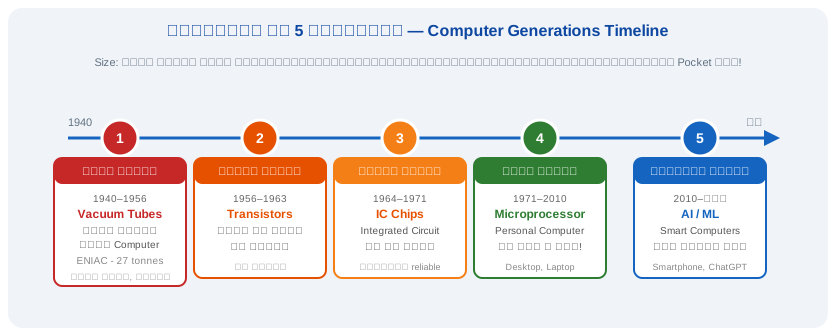
Computer Generations Timeline

1940 से आज तक — Computer की 5 पीढ़ियों की यात्रा एक नज़र में

Topic 3
महत्वपूर्ण आविष्कारक
Important Inventors — 1 Sub-topic
3.1  ·  प्रमुख वैज्ञानिक | Key Scientists

महत्वपूर्ण आविष्कारक

इन महान वैज्ञानिकों ने computer को जन्म दिया और इसे आज की स्थिति तक पहुँचाया:

Charles Babbage
Father of Computer · 1791–1871

English mathematician जिन्होंने 1822 में Difference Engine और 1837 में Analytical Engine design की। Analytical Engine में Input, Processing, Storage और Output सब थे — यही आज के computer का concept है। इसीलिए इन्हें "Father of Computer" कहते हैं।

Ada Lovelace
पहली Programmer · 1815–1852

Charles Babbage की collaborator। Analytical Engine के लिए पहला algorithm (program) लिखा। इसीलिए इन्हें दुनिया की पहली computer programmer कहते हैं। U.S. Defense Dept ने अपनी programming language का नाम इनके नाम पर "Ada" रखा।

Alan Turing
Father of Computer Science · 1912–1954

British mathematician — "Father of Computer Science" और "Father of AI"। 1936 में Turing Machine का concept दिया। WWII में Enigma code तोड़कर लाखों जानें बचाईं। Turing Test — AI की intelligence मापने का तरीका — इनकी ही देन है।

John von Neumann
Computer Architecture · 1903–1957

Hungarian-American mathematician जिन्होंने Von Neumann Architecture दी — CPU, Memory, Input और Output एक साथ। आज के almost सभी computers इसी architecture पर काम करते हैं। उन्होंने बताया कि programs को data की तरह memory में store करो।

Bill Gates
Microsoft Co-Founder · 1955–present

Paul Allen के साथ 1975 में Microsoft की स्थापना की। MS-DOS और फिर Windows OS बनाया जिसने personal computing को आम लोगों तक पहुँचाया। एक समय दुनिया के सबसे अमीर इंसान। आज Gates Foundation से global health और education में काम।

Steve Jobs
Apple Co-Founder · 1955–2011

Steve Wozniak के साथ 1976 में Apple बनाया। Apple II, Macintosh, iMac, iPod, iPhone, iPad — technology को design और user-friendly बनाने की नई सोच दी। उन्होंने prove किया कि computer सिर्फ engineers के लिए नहीं — सबके लिए है।

Topic 4
रोचक तथ्य और भारत
Interesting Facts & India's Computer Journey — 2 Sub-topics
4.1  ·  Computer History Facts

रोचक ऐतिहासिक तथ्य

तथ्यविवरण
पहला Electronic ComputerENIAC (1945) — वज़न 27 tonnes, 18,000 vacuum tubes, 1,800 sq. ft. जगह घेरता था।
पहला Commercial ComputerUNIVAC I (1951) — U.S. Census Bureau के लिए। Business और Government use का पहला computer।
"Bug" की कहानी1947 में Grace Hopper ने computer में असली moth (पतंगा) पाया जो machine में फंसा था — तब से software error को "Bug" कहते हैं।
पहला Computer VirusCreeper (1971) — ARPANET पर फैला। सिर्फ message display करता था: "I'm the Creeper, catch me if you can!"
Moon Mission ComputerApollo 11 (1969) के computer की memory सिर्फ 4KB थी। आज के smartphone में 8–16GB RAM होती है।
पहला Domain Namesymbolics.com — 15 March 1985 को register हुआ। दुनिया का पहला .com domain।
4.2  ·  भारत और Computer

भारत में Computer का आगमन

भारत में computer का सफर भी बहुत रोचक है:

1956
भारत का पहला Computer
Indian Statistical Institute (ISI), Kolkata में HEC-2M computer install हुआ — यह भारत का पहला electronic computer था।
1960
TIFRAC — भारत में बना पहला Computer
Tata Institute of Fundamental Research Automatic Calculator (TIFRAC) — भारत में बना पहला indigenous computer। TIFR Mumbai में develop हुआ।
1986
Computer Education की शुरुआत
भारत सरकार ने Computer Literacy and Studies in Schools (CLASS) project शुरू किया — schools में computer education की शुरुआत हुई।
1991
IT Boom — Economic Liberalization
Economic liberalization के साथ IT sector का विकास हुआ। Infosys, Wipro, TCS जैसी कंपनियाँ बड़ी हुईं। भारत IT Superpower बनने की राह पर चल पड़ा।
2016
Jio Revolution — Digital India
Reliance Jio ने सस्ता internet दिया और देश को digitally transform किया। UPI payments, Aadhaar, DigiLocker — digital revolution। आज भारत में 70+ करोड़ internet users हैं।
Exam के लिए ज़रूरी Points
  • Father of Computer = Charles Babbage — Analytical Engine (1837)
  • पहली Programmer = Ada Lovelace (महिला) — Babbage की machine के लिए algorithm
  • ENIAC (1945) = पहला electronic computer — 27 tonnes, Vacuum Tubes
  • Generations: 1st Vacuum Tubes → 2nd Transistors → 3rd IC → 4th Microprocessor → 5th AI
  • "Bug" शब्द Grace Hopper ने 1947 में दिया — computer में असली moth मिली थी
  • भारत का पहला computer — HEC-2M (1956), ISI Kolkata में